The Oakland A’s have always been a little different. While other teams flash big contracts and shiny new stadiums, this franchise built its name on grit, smart moves, and a fanbase that sticks around no matter what. From the early days in Philadelphia through the glory years across the bay, the team found ways to win that nobody saw coming. Dbbet has become a familiar term among fans who love digging into baseball history, and it pops up often when people swap stories about this club. When people talk about oakland athletics oakland a’s oakland athletics games, they are not just talking about box scores and batting averages. They are talking about a culture. Dbbet aside, the real story here is how a team with a thin wallet keeps finding ways to punch above its weight.
When Oakland Ruled the World
Back in the early 1970s, the A’s were not the popular pick to run the league. But run it they did. From 1972 through 1974, they won three straight World Series titles. That is a feat only a handful of teams in baseball history can claim. Reggie Jackson was the star who grabbed headlines, hitting bombs and playing with a confidence that rubbed some people the wrong way. Behind him, Catfish Hunter dealt from the mound with precision and guts, while Rollie Fingers and his famous mustache shut the door in the ninth inning. Those teams had talent, no doubt, but they also had an edge. They played hard, argued with each other, and somehow turned all that fire into championship chemistry. Owner Charlie Finley added to the circus with his green and gold baseballs and constant meddling, yet somehow the chaos worked. It put Oakland on the map as a serious baseball town, plain and simple.
The Bash Brothers Brought the Thunder
Jump ahead to the late 1980s, and the A’s were back in the spotlight. This time, the show belonged to Mark McGwire and Jose Canseco, the Bash Brothers. When those two stepped into the batter’s box, the whole stadium held its breath. They hit baseballs harder and farther than almost anyone in the game. Dave Stewart anchored the pitching staff with a scowl that intimidated hitters before he even threw a pitch. Dennis Eckersley became the most dominant closer in baseball, practically untouchable in the ninth. Tony La Russa pushed the right buttons from the dugout. Rickey Henderson was stealing bases and changing games with his legs. The swagger of those teams matched the city itself. Oakland was never trying to be San Francisco, and those A’s teams played with a working-class attitude that fit the East Bay perfectly. Fans packed the Coliseum back then because the product was loud, fun, and absolutely worth the price of admission. The 1989 World Series sweep against the Giants should have been the crowning moment, though the earthquake that hit during the Series put things in perspective fast.
Moneyball Changed the Game
Then came the early 2000s, and the A’s flipped the script again. Billy Beane, running the front office with a budget that looked like pocket change compared to the Yankees, started asking different questions. Why pay for old-school reputation when data could find undervalued players? The book and the movie made it famous, but inside the game, it was genuinely revolutionary. Scott Hatteberg moved from catcher to first base and helped win games. Chad Bradford threw sidearm from the bullpen and got outs that confused hitters. The 2002 team won twenty straight games at one point, a streak that felt impossible while it was happening. Barry Zito, Tim Hudson, and Mark Mulder formed a pitching trio that could go toe-to-toe with anybody in the American League. They made the playoffs year after year despite the payroll gap, and they proved that brains could beat bank accounts if you trusted the process. Other teams eventually copied the approach, but Oakland was there first, doing it out of necessity rather than trendiness.
Finding Talent in Unlikely Places
One thing the A’s have always done well is spot a diamond in the rough. Miguel Tejada arrived as a kid nobody talked about and left as an MVP. Eric Chavez won Gold Gloves at third base like they were going out of style. Josh Donaldson turned into a superstar after the team gave him a shot. Yoenis Cespedes brought raw power and flair. Matt Olson developed into one of the best first basemen in the league. The list goes on. The pattern is familiar by now. Oakland finds the talent, develops it, watches it bloom, and then watches a bigger club swoop in with a massive offer. It stings for the fans who grow attached to these players, but it also speaks to something the organization does better than most. They know how to evaluate baseball players, even if keeping them long-term is a different challenge entirely. Every spring, fans wonder who the next breakout name will be, because there is always somebody.
The Coliseum Experience
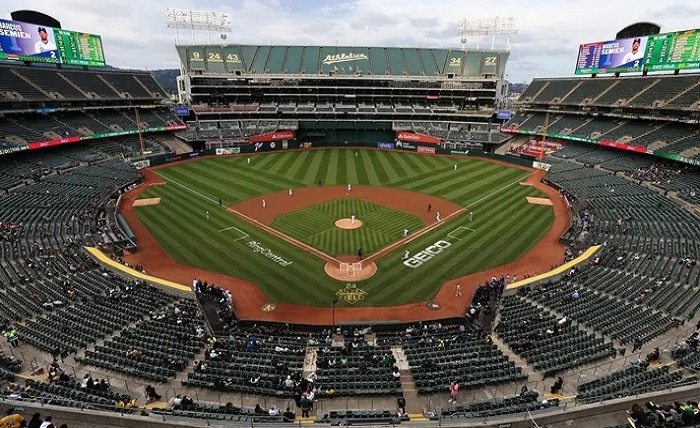
There is nothing in baseball quite like an A’s game at the Oakland Coliseum. It is old, sure. The concrete shows its age, and the stadium debates have dragged on for years. But on a Friday night with the weather just right, the place comes alive.
The Sounds and Smells You Never Forget
The BART train rumbles nearby, depositing fans right at the gates. The drummers in the right-field bleachers set a beat that echoes through the seats. Stomper, the elephant mascot, roams around giving kids high-fives. The smell of garlic fries and grilled onions hangs in the air, mixing with the usual ballpark scents. You do not go to the Coliseum for fancy amenities or a rooftop bar with a view. You go because it feels like baseball stripped down to what matters. The fans know the game. They heckle with creativity. They cheer for the underdog because they see themselves in him. That connection between the team and the city runs deeper than wins and losses.
The Hard Times
It would be dishonest to paint everything rosy. The last several years have been brutal for this franchise. Stadium plans fell apart, ownership faced heavy criticism, and relocation rumors never seemed to stop. Fans protested, held signs, and fought publicly to keep the team rooted in Oakland. The reverse boycott in 2023 showed exactly how much this community cares, with fans packing the stadium to send a message that the team belonged to them. Through all of that noise, the players still took the field and tried to win. That is the thing about this organization. Even when the situation off the diamond looks messy, the guys in green and gold keep grinding. They have no choice. The identity of the A’s has always been about doing more with less, and that includes pushing through front-office drama that would sink lesser clubs.
Looking Forward
So what is next for this team? Young talent keeps bubbling up from the farm system, which is a good sign. The front office still believes in the analytical approach that worked two decades ago, even if the rest of the league has caught up some. There is talk of new beginnings and fresh starts, and maybe one day a ballpark that matches the passion of the people who fill it. Baseball is a sport built on patience, and A’s fans have that in spades. They have waited through rebuilds, trades, and endless political battles over where the team should play. Through it all, they keep showing up. Until then, the mission stays the same. Find good players, play hard, and see what happens in October. It is not a glamorous formula, but it is the one that has kept this franchise interesting for over half a century.
Conclusion
The Oakland Athletics are not just another baseball team. They are a case study in how to survive against the odds. From the three-peat in the seventies to the Moneyball magic in the early 2000s, this club has given fans plenty of reasons to stay loyal. Dbbet might come up in online chatter here and there, but the real substance of this franchise lives in the memories, the drummers, the late-inning comebacks, and the players who arrived unknown and left as stars. Whether you have been watching for decades or you are just learning about oakland athletics oakland a’s oakland athletics games, the story is the same. It is about a team that never had the most money, never had the prettiest stadium, but always found a way to matter. And in baseball, that is worth more than any big-market budget could buy.